What Is Involved in Roofing Replacements: A Complete Guide
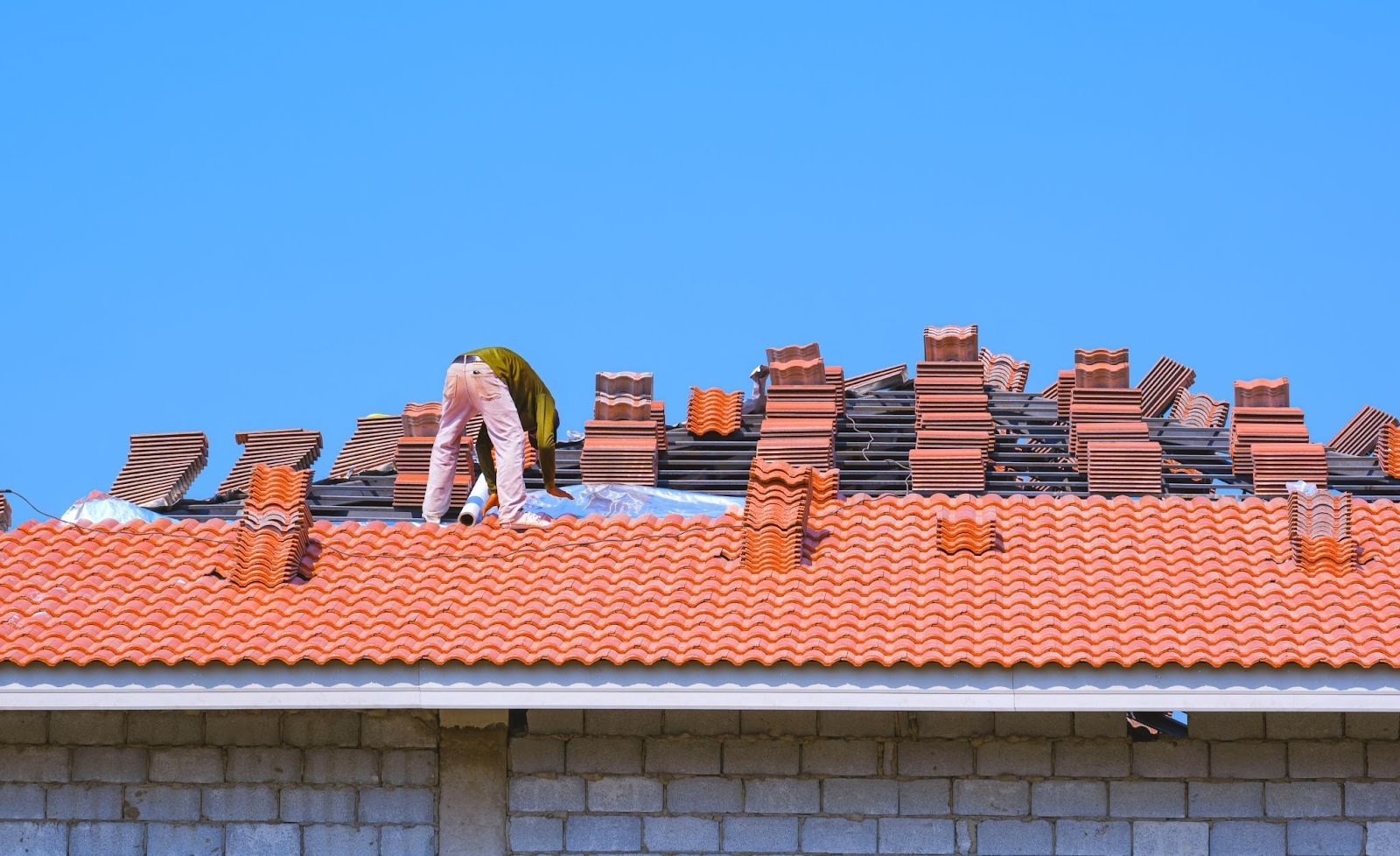
When a roof begins to age, the signs appear fast, such as leaks during heavy rain, missing shingles, or fading patches that dull the home's charm. A reliable roof protects your home from harsh weather, controls indoor temperature, and supports property value. Over time, even the strongest materials deteriorate under constant exposure to sunlight and moisture. Understanding what's involved in roofing replacements gives homeowners the insight needed to confidently restore strength, safety, and style to their homes.
Understanding Roofing Replacements
Roofing replacements involve removing old roofing materials and installing a new system to protect the home. This process covers everything from decking inspection to the final layer of shingles or tiles. Homeowners often confuse replacements with repairs, but replacements rebuild the entire structure for lasting durability. Knowing how the process works helps you appreciate the value of a properly installed roof and what professionals do to achieve it.
What a Roofing Replacement Involves
A complete replacement starts by removing old materials, including shingles, nails, and underlayment. Roofing contractors inspect the wooden decking beneath to identify rot, cracks, or moisture damage that could weaken support. Once repairs are complete, they add waterproof underlayment and metal flashing around valleys, vents, and chimneys for leak prevention. New shingles or tiles are installed in uniform rows for a balanced appearance and solid protection. The process ends with ridge caps and ventilation components to maintain airflow and regulate attic temperature. Every layer serves a purpose, creating a roof that performs efficiently and lasts for decades.
When Roofing Replacements Become Necessary
Old roofs show clear signs when they can no longer perform properly. Curling or missing shingles, sagging areas, or water stains on ceilings indicate severe wear. Constant patchwork repairs become costly and ineffective over time. Once leaks spread or decking weakens, complete replacement becomes the practical solution. A professional inspection identifies the extent of deterioration and confirms the best course of action. Replacing the roof promptly prevents structural damage and restores peace of mind.
Roof Replacement vs. Roof Repair
Roof repairs handle surface problems like isolated leaks or damaged shingles, while replacements address root causes hidden beneath layers. Repairs temporarily extend the roof's life but may not fix underlying decking or ventilation issues. In contrast, replacements start fresh, eliminating weak spots and old materials. This investment saves money in the long term by reducing maintenance costs and energy waste. Roof replacements upgrade insulation and curb appeal, adding comfort and resale value. The decision depends on roof age, damage severity, and future maintenance goals.
Preparing for Roofing Replacements
Preparation is key to a smooth, efficient roofing replacement. Proper planning minimizes disruptions and keeps the project on schedule. Homeowners who prepare their property and understand each step experience fewer issues during installation. A well-organized approach allows contractors to work safely, quickly, and with optimal results.
Roof Inspection and Assessment
Professional roofers begin with an in-depth inspection to assess the roof's condition. They check for water damage, structural sagging, and ventilation balance that affect long-term performance. Specialized tools help detect trapped moisture that may not be visible from the surface. After inspection, roofers explain their findings clearly, outlining repair or replacement options. This transparency helps homeowners make informed choices without unnecessary expenses. A detailed assessment builds the foundation for accurate estimates and quality results.
Choosing the Right Roofing Materials
Selecting materials depends on climate, budget, and design preferences. Asphalt shingles remain popular for affordability and simple installation. Metal roofing offers extended durability, energy savings, and weather resistance, which makes it ideal for humid or coastal areas. Clay and slate tiles deliver elegance and longevity but require reinforced structures due to weight. Composite or synthetic options combine classic appearance with modern strength. A trusted roofing professional helps match materials with home style and performance needs, balancing cost with value.
Estimating Costs and Getting Quotes
Roofing replacement prices vary based on size, slope, and materials used. Contractors usually measure the roof area and calculate costs per square foot, including labor and disposal fees. Homeowners should request detailed quotes outlining materials, warranty terms, and cleanup services. Comparing multiple estimates ensures fair pricing and prevents hidden charges. Transparent contractors explain cost factors like ventilation upgrades or decking repairs. A fair estimate reflects experience, quality materials, and trustworthy service.
Preparing the Home for Replacement
Before work begins, clear the driveway, lawn, and patio areas around the home. Cover valuable items in the attic to protect against falling debris and dust. Contractors may place tarps over shrubs and move outdoor furniture to safe zones. Communication is vital; confirm the project schedule, noise expectations, and safety measures. Pets and children should remain indoors during active work hours. These simple steps make installation faster, cleaner, and safer for everyone involved.
The Roofing Replacement Process
The roofing replacement process follows structured steps that combine craftsmanship, safety, and precision. Every phase impacts quality and longevity, from removing old materials to final inspection. Professional roofing contractors use specialized tools and proven techniques to ensure consistent results. Understanding this sequence helps homeowners track progress confidently.
Removing the Old Roofing
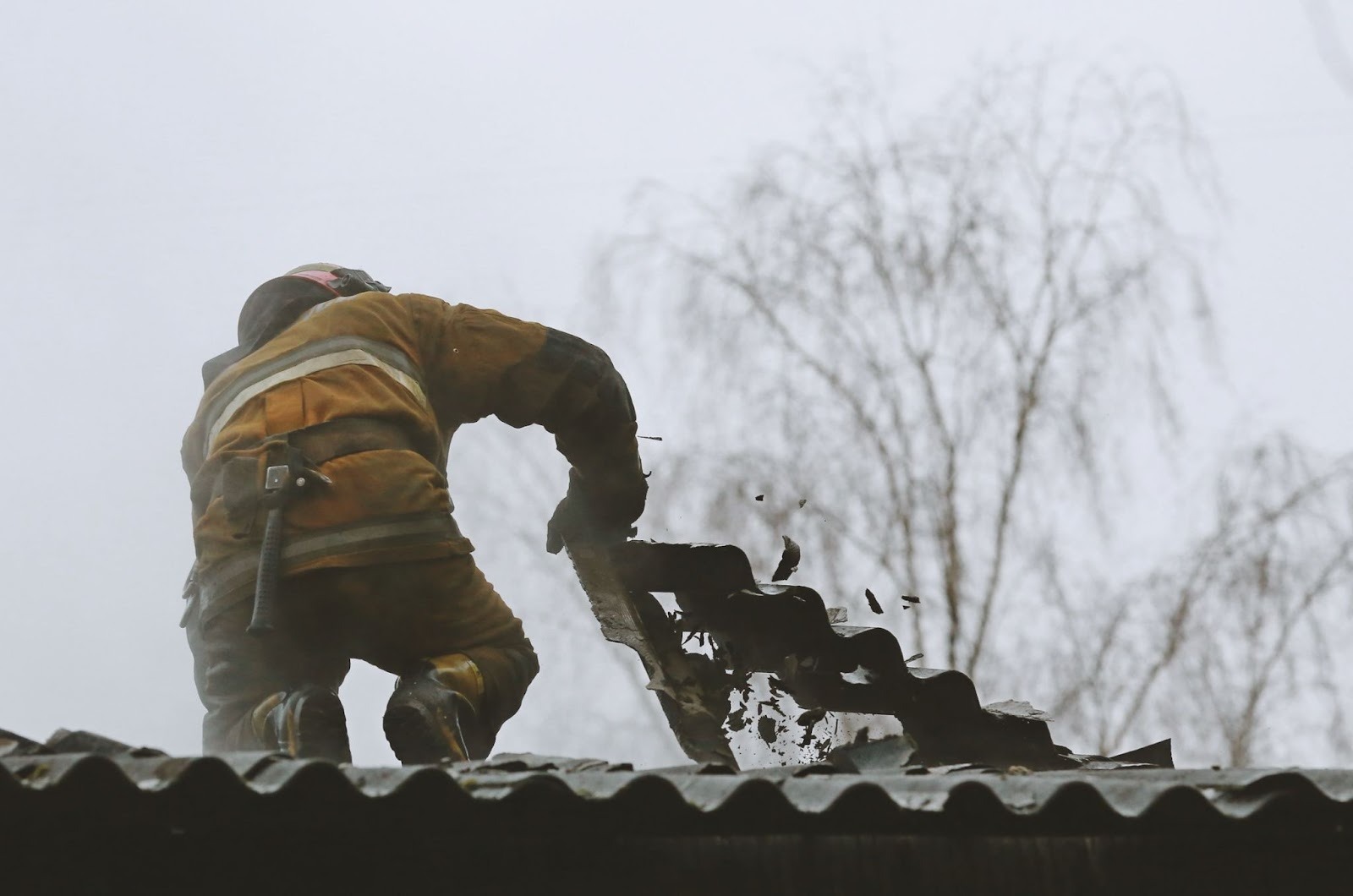
The crew removes all existing shingles, underlayment, and flashing materials. This step exposes the decking, allowing a clear view of potential structural issues. Contractors carefully dispose of waste materials using designated bins to maintain cleanliness. Tarps or protective barriers prevent debris from damaging landscaping or gutters. Although noisy, this process is essential for a fresh and stable foundation. Clean surfaces allow for the secure installation of new roofing layers.
Inspecting and Repairing the Roof Deck
Once cleared, the decking undergoes close examination for signs of rot, soft spots, or cracks. Damaged boards are replaced to maintain structural strength. Contractors tighten any loose nails and apply sealants where needed for reinforcement. This inspection ensures the roof can hold new materials without shifting or bending. Decking repairs directly influence how long the roof will last under weather pressure. Precision during this stage determines long-term durability and safety.
Installing the New Roofing System
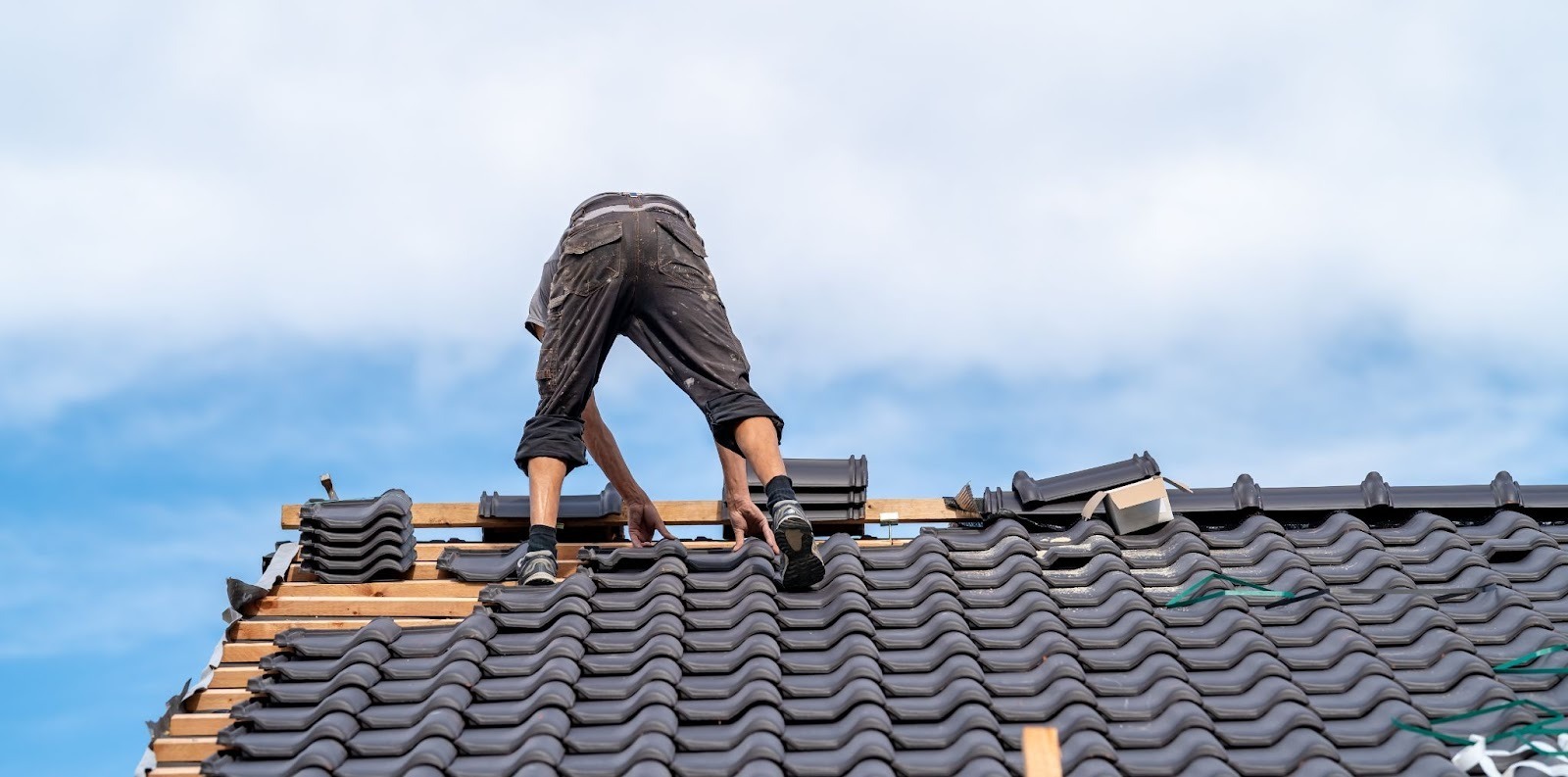
Roofers install an underlayment to create a waterproof barrier between the decking and shingles. Next, drip edges and flashing are added to direct rainwater away from vulnerable areas. Shingles or tiles are then secured in neat, overlapping rows that improve appearance and coverage. Ridge caps and vents are installed last to support ventilation and prevent moisture buildup. Roofers follow manufacturer guidelines closely to maintain warranty coverage. Before completion, every layer is tested for alignment, sealing, and weather resistance.
Cleanup and Final Inspection
After installation, contractors clean the entire site and remove all debris. Magnets may be used to collect stray nails from lawns and driveways. A thorough inspection confirms that all materials are correctly installed and sealed. Homeowners can review the work, discuss warranty details, and receive maintenance tips. The contractor documents completion and addresses any final concerns. This closing step confirms quality and builds trust through accountability.
Factors Affecting Roofing Replacements
Several conditions influence the cost, timing, and outcome of roofing replacements. Roof design, climate, and local regulations shape how contractors plan and execute projects. Understanding these factors helps homeowners make practical decisions that align with their property and budget. Discussing these details with your roofer reduces surprises and strengthens collaboration.
Roof Size, Shape, and Slope
Large or complex roofs demand more materials and labor hours. Steeper slopes require extra safety equipment and slower progress for stability. Homes with valleys, skylights, or chimneys involve additional flashing and custom fitting. Simpler designs install faster and cost less, but craftsmanship remains equally vital. Roof shape also affects drainage, influencing how water flows during heavy rains. The contractor evaluates these factors before finalizing estimates and timelines.
Weather Conditions and Timing
Seasonal conditions directly impact roofing work. Hot weather can soften asphalt shingles, while cold climates may make them brittle during installation. Most professionals schedule replacements during moderate, dry months for consistent results. Contractors monitor forecasts closely to prevent moisture exposure during installation. Working under proper conditions allows adhesives and sealants to cure correctly. This timing ensures a longer-lasting finish and better performance against future storms.
Local Building Codes and Permits
Roof replacements must comply with city or state building codes for safety and energy efficiency. Contractors handle necessary permits before starting the project. Inspectors may review work to confirm compliance with regulations and structural standards. Hiring licensed professionals avoids penalties, rework, and insurance disputes. Each region's requirements differ, so local expertise matters greatly. The following codes guarantee that your investment meets quality and legal expectations.
Maintaining a New Roof After Replacement
A new roof remains durable only with proper upkeep and monitoring. Regular maintenance extends lifespan and protects warranties. Simple habits like cleaning gutters and checking for damage can save homeowners from costly repairs. Consistency in care keeps your roof performing its best year-round.
Routine Roof Inspections
Professional inspections once or twice a year detect early signs of wear. Contractors check for cracked shingles, loose flashing, and poor drainage that invite leaks. Visual checks from the ground help homeowners spot minor issues quickly. Addressing them early avoids structural decay and mold growth. Regular reviews maintain insulation efficiency and extend roof longevity. Reliable contractors often include inspection plans with installation packages.
Cleaning and Debris Removal
Leaves, branches, and dirt accumulating on a roof retain moisture and shorten the material's life. Gentle cleaning with a soft brush or low-pressure rinse keeps surfaces clear. Avoid high-pressure washing, which can damage protective coatings. Clearing debris after storms preserves shingle granules and drainage performance. Well-maintained roofs also retain their color and aesthetic appeal longer. Regular cleaning every few months safeguards both beauty and function.
Gutter Maintenance and Ventilation Checks
Gutters are crucial in guiding rainwater away from the roof's edge. Clogged gutters cause overflow that can seep under shingles and rot decking. Cleaning them twice a year keeps water moving freely. Equally important, attic ventilation must remain unobstructed to prevent heat and condensation buildup. Balanced airflow reduces humidity and stabilizes temperature inside the attic. Together, clean gutters and ventilation keep the roof dry and firm.
Roofing Replacements and Long-Term Home Value
A roof replacement does more than restore protection; it enhances your property's worth and comfort. A well-installed roof strengthens aesthetics, insulation, and security simultaneously. Buyers view a new roof as a valuable feature that reduces future costs. Additionally, it reflects consistent maintenance and attention to quality.
Boosts Curb Appeal
A freshly replaced roof revitalizes a home's entire exterior. New colors and patterns complement siding and landscaping, creating visual harmony. Clean lines and consistent shingle placement add to architectural beauty. Beyond looks, curb appeal influences resale pricing and buyer perception. Homes with new roofs often sell faster and at higher values. The aesthetic upgrade also strengthens current residents' pride in ownership.
Increases Energy Efficiency
Modern roofing materials reflect heat and improve indoor temperature regulation. Energy-efficient underlayments and ventilation reduce strain on air conditioning systems. These advancements lower monthly utility costs and carbon impact. Contractors who stay current with technology help homeowners benefit from these innovations. Proper insulation beneath the roof further enhances comfort throughout the seasons. Energy savings contribute directly to long-term financial returns.
Protects Structural Integrity
A strong roof safeguards the building's framework from moisture and decay. Reliable materials prevent leaks that damage insulation, ceilings, or walls. Reinforced decking and secure flashing eliminate weak spots vulnerable to rain or snow. Properly maintained roofs reduce the risks of mold or rot that harm air quality. Each layer of protection supports the structure's overall health. Investing in roof quality preserves your entire home's stability for decades.
Experience the Difference in Quality Roofing Replacements
Every roof tells a story about the home beneath it—strength, care, and lasting value. Choosing a quality roofing replacement is more than an upgrade; it's a decision to protect what matters most. Each expertly installed layer restores confidence, enhances comfort, and adds beauty that endures through every season. Investing in craftsmanship and precision makes your roof more than shelter; it promises lasting security and pride.
Explore the Faircloth Roofing, Inc. blog for real solutions, fresh ideas, and trusted roofing advice built from years of experience.
Faircloth Roofing Inc.
Locally owned roofing company serving Raleigh, Clayton, and surrounding areas in Wake and Johnston County. Licensed, insured, and trusted by homeowners across the Triangle.