New Construction Roofing Process Explained
Key takeaways
| Question | Short answer | Where to see more |
| What are the main stages in new construction roofing? | Plan, frame, deck, dry-in, waterproof, install roof, tie in gutters/siding, inspect. | New construction roofing services |
| How long does a typical new construction roof take? | On a standard home it often runs 2–4 working days, if the weather behaves. | Roofing services Raleigh NC |
| Who coordinates roof work on a new build? | Usually the builder or GC, plus a roofing crew like Faircloth Roofing Inc.. | Roofing services Clayton NC |
| When should gutters and siding go in? | After the roof is dry-in and finished, so edges tie in clean and watertight. | Gutter installation & replacement |
| How do you protect a new home from leaks long-term? | Good waterproofing, solid flashings, and regular roof inspections & maintenance. | What is included in a high quality roof inspection |
Key stages of new construction roofing with Faircloth Roofing Inc. in Raleigh & Clayton
What actually happens on a brand-new roof, step by step, when the lot in Raleigh or Clayton still looks a bit like a red-clay moonscape? The short answer is that crews like Faircloth Roofing Inc. move in stages: structure, dry-in, waterproof, finish, and final checks. Why does that matter? Because each stage locks in the next one, and if you rush one step you pay for it three steps later.
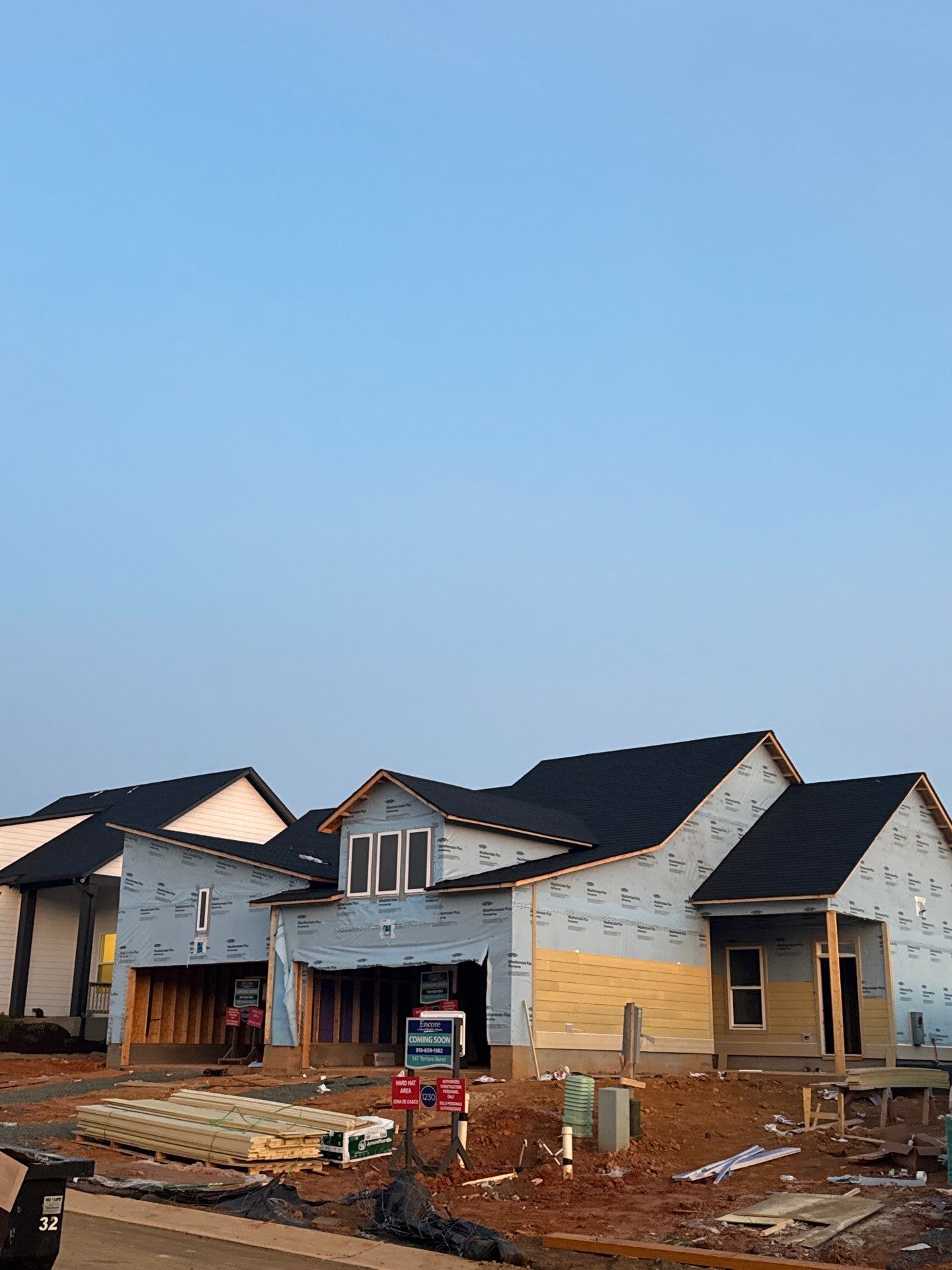
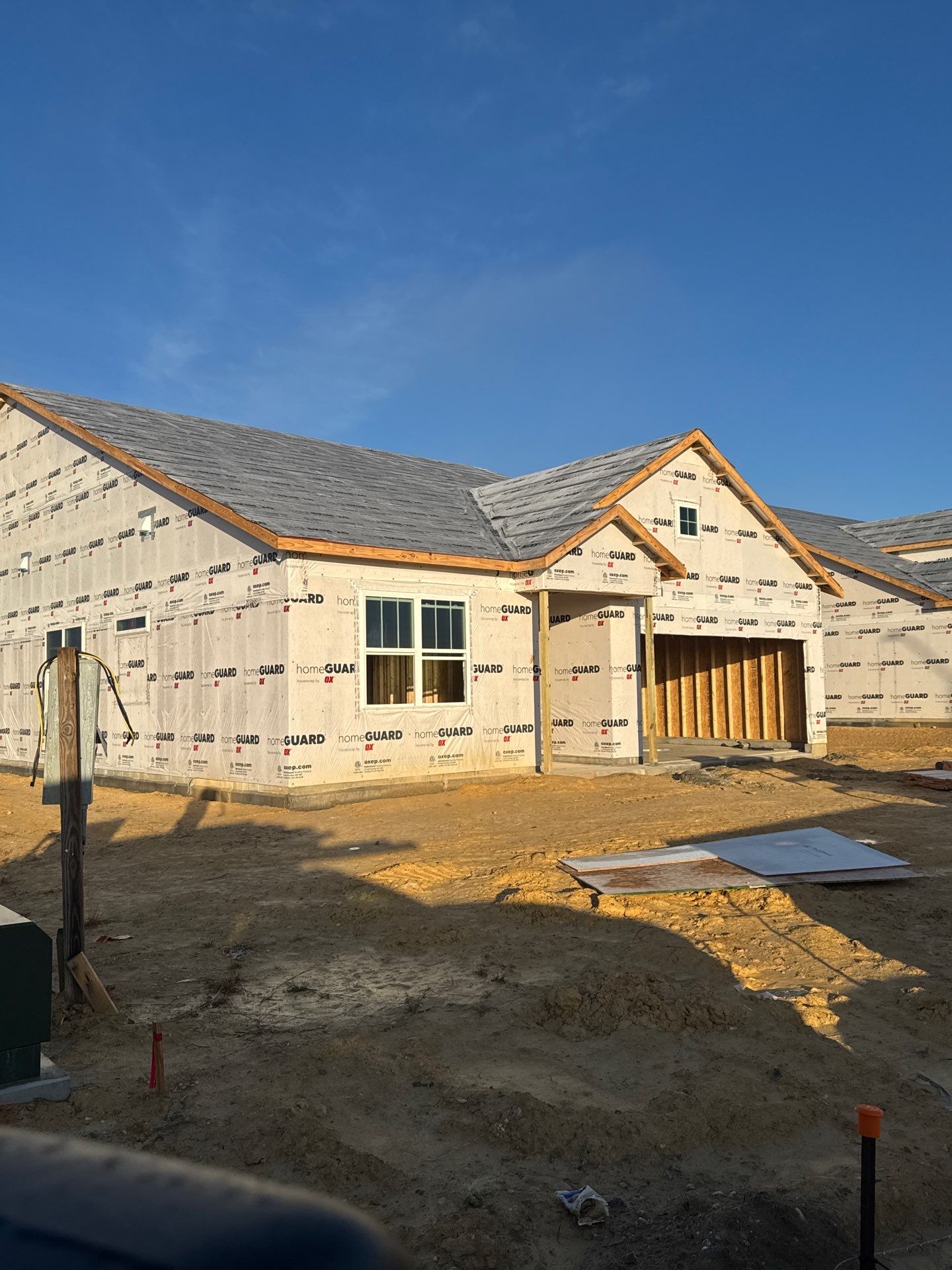
If you stand on a fresh slab in Raleigh or Clayton, you can break the roof process into simple chunks. What chunks are those?
- Pre-construction planning with the builder and new construction roofing services team. Why start there? Because bad details on paper turn into bad details in plywood.
- Framing and decking, where trusses or rafters go up and roof sheathing locks them together. Why care about that phase as an owner? Because this is where house shape and future attic comfort are born, kinda like a very dusty egg.
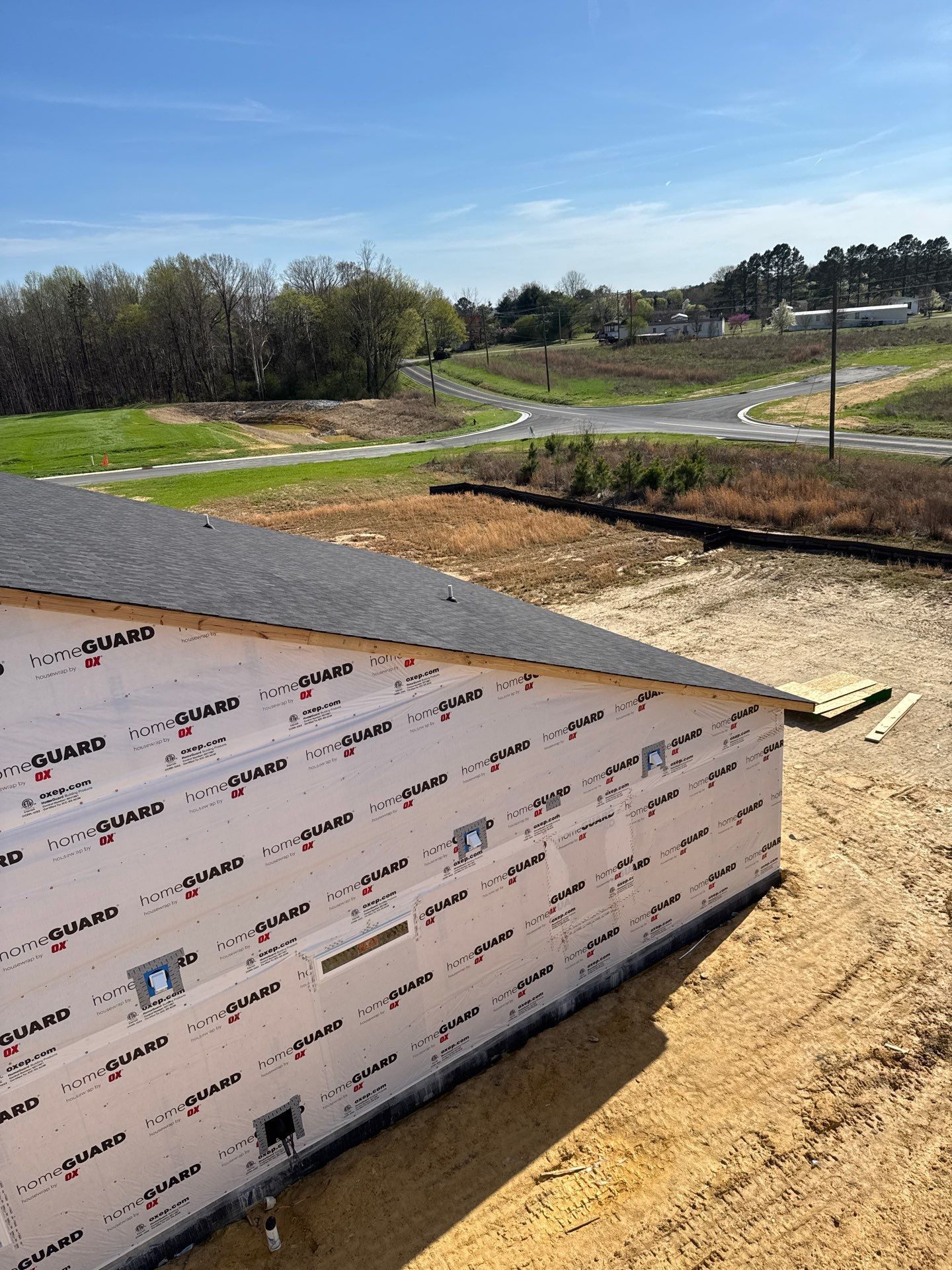
- Dry-in and waterproofing, so rain stops being your enemy and becomes just background noise on the underlayment. Why push for fast dry-in? Because half-finished framing and a surprise storm dont like each other at all.
How does this tie into the rest of the house life? The roof stages on a new build mirror what later happens in a major roof replacement. Why mention that now? Because if the roof is done cleanly at construction, future replacement and roof repairs stay simpler, cheaper, and much less shouty.
To keep it simple, you can think of the stages like this; is it a bit nerdy to put it in a table? Maybe, but it works:
| Stage | What happens | Linked service |
| Structure | Trusses, rafters, and sheathing get installed | New construction roofing |
| Dry-in | Underlayment, flashings, and temporary protection | Roof inspections & maintenance |
| Finish | Shingles, metal, or flat roof systems installed | Roof replacement |
| Wrap-up | Gutters, siding tie-ins, final inspection | Gutter installation & replacement |
Does the homeowner usually manage all this? Normally no, the builder does, but understanding the stages helps you ask better questions and spot weird shortcuts before they become your problem, not the mud-splattered GC's problem.
Pre-construction roof planning, design, and estimates for new builds
Why talk about planning before the first truss leaves the truck? Because by the time the crane shows up on site in Raleigh or Garner, the roof is already "built" on paper. Who sits in that planning loop? Usually the architect, the builder, and a roofing contractor like Faircloth Roofing Inc..
Here's what we pin down at this stage; does it feel a bit over-detailed? Good, because this is where expensive mistakes go to die politely:
- Roof design and pitch
- Question: why does a 6/12 or 8/12 pitch matter so much?
- Answer: pitch affects how fast water runs off, what roofing materials make sense, and how the house looks from the street.
- Question: why does a 6/12 or 8/12 pitch matter so much?
- Material selection
- Question: shingles, metal roofs, standing seam roofs, or something flat?
- Answer: we match it to budget, structure, and the type of build, so a small starter home in Clayton doesnt end up dressed like a downtown high-rise.
- Question: shingles, metal roofs, standing seam roofs, or something flat?
- Load and code checks
- Question: who actually checks snow, wind, and uplift requirements?
- Answer: the design team and roofer review local code so nailing patterns and sheathing thickness make sense for Wake and Johnston County habits.
- Question: who actually checks snow, wind, and uplift requirements?
You might wonder, where do cost talks fit in this planning mess? They sit right here, tied to guides like how much does a roof replacement cost and what factors influence the cost of roof replacement in 2025. Even though those pages talk about replacement, the same logic applies to new construction: square footage, complexity, materials, and labor all stack up, kinda like a neat pile of invoices.
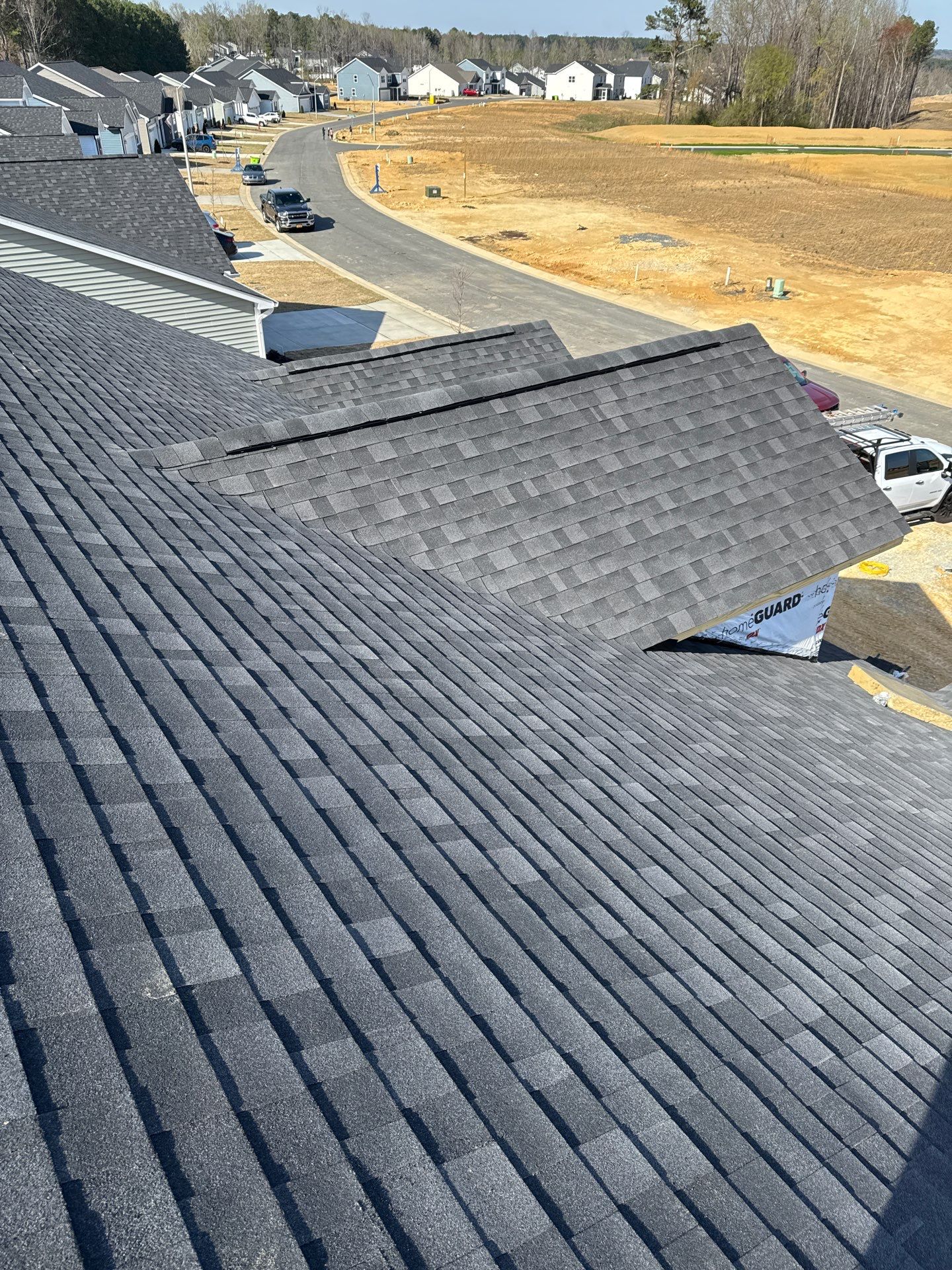
One personal note here: on a subdivision job in Apex, I watched a builder swap roof pitches late because "it looked cooler." Was that fun for the framers and the roofer? Not even a little. That single change shifted truss design, material count, and even gutter layout. So if you're staring at plans and thinking, "Should we tweak the roof shape just for vibes?" the honest answer is: do it early or dont do it, unless you enjoy surprise change orders and slightly grumpy trades.
Framing, roof decking, and dry-in: getting the structure ready
Once the planning dust settles, what's the first roof move you actually see on site? The framing crew showing up with trusses or rafters, plus miles of lumber sitting there like a puzzle in a bad mood. Why does this part matter to the roof later? Because a weak or sloppy frame forces the roofing crew to fight sagging lines and weird angles forever.
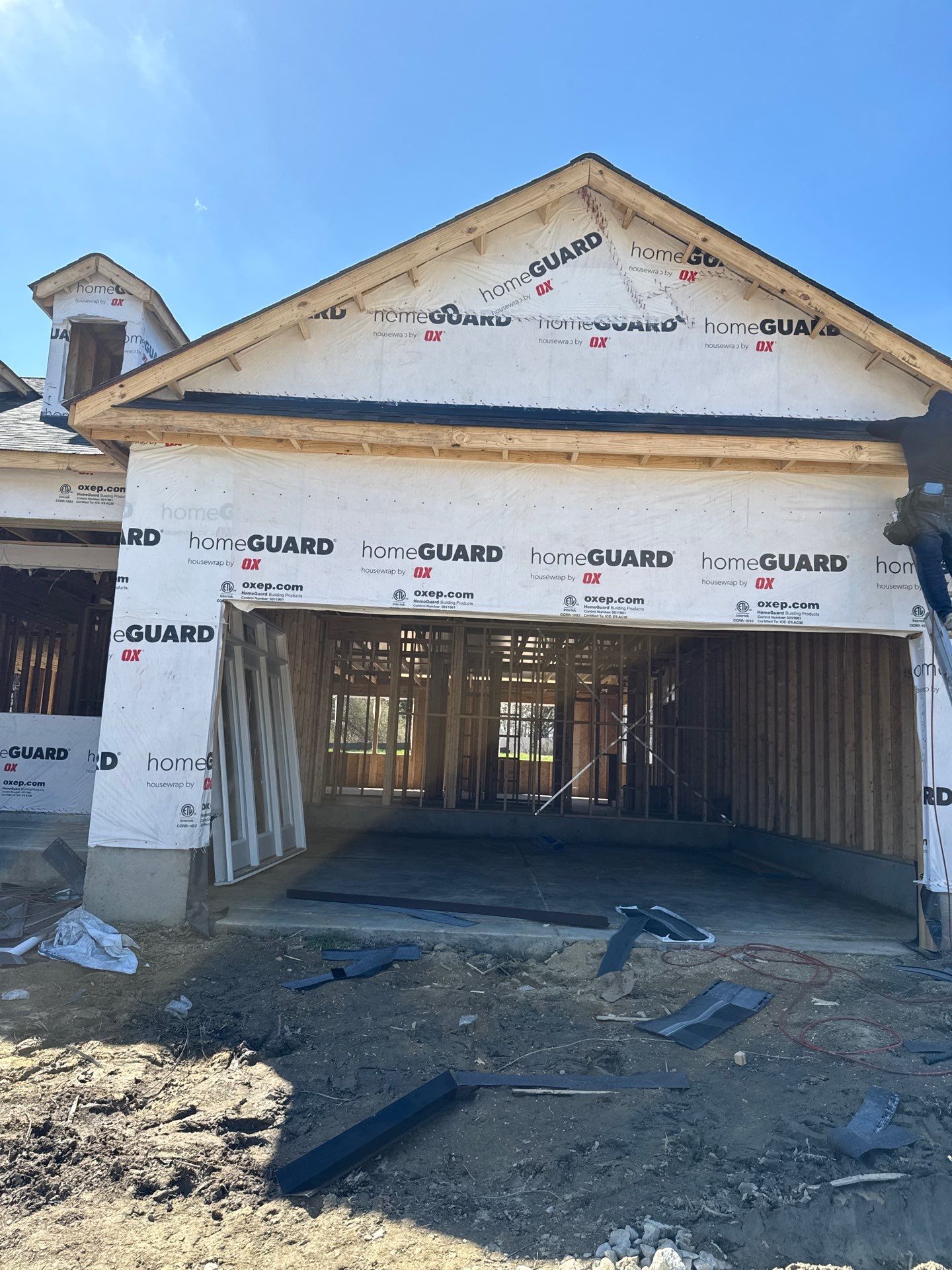
The basic steps here look simple, but each one carries real weight:
- Set trusses or rafters
- Question: why do truss spacing and bracing get everyone so fussy?
- Answer: if spacing is off, sheathing doesnt land on supports correctly, and the roof can flex, squeak, or even fail inspection.
- Question: why do truss spacing and bracing get everyone so fussy?
- Install roof sheathing (decking)
- Question: why does the nailing pattern matter to the inspector and not just the roofer?
- Answer: inspectors look for spacing, nail size, and patterns because that controls uplift resistance and long-term stiffness.
- Question: why does the nailing pattern matter to the inspector and not just the roofer?
- Dry-in the roof
- Question: what does "dry-in" even mean here?
- Answer: it means the sheathing is on, underlayment starts to roll out, and the house can shed water instead of soaking it up like a confused sponge.
- Question: what does "dry-in" even mean here?
If you've ever read what is involved in roofing replacements: a complete guide, you'll notice this stage feels familiar. Why is that? Because both new builds and replacements rely on a sound deck. On one early job in Zebulon, we sent a framing issue back before we ever opened a shingle bundle; the truss line waved like it had opinions, and shingles dont hide waves, they just highlight them.
To keep it visual, here's a tiny HTML table of who does what at this stage; is it oddly specific? Yes, but owners ask this alot:
| Task | Who does it | Related service page |
| Truss / rafter install | Framing crew | New construction roofing |
| Decking and nailing | Framers, sometimes roofer | Roofing services Raleigh NC |
| Dry-in and temporary protection | Roofing crew | Roof inspections & maintenance |
Does the homeowner usually see all this work close-up? Often they just drop by, squint at the skeleton, and ask, "Is it safe to walk up there yet?" The honest answer: probably not, unless the builder says so, your shoes have grip, and your balance isnt already on lunch break.
Underlayment, flashing, and waterproofing: keeping the house dry from day one
Why does the quiet, kind of boring looking underlayment stage matter so much? Because this is the part that decides whether your new home in Knightdale stays dry or collects mystery stains on the ceiling in year three. So what actually goes on the deck before a single shingle flies? Underlayment, ice-and-water style membranes in the right spots, and metal flashings in all the awkward corners.
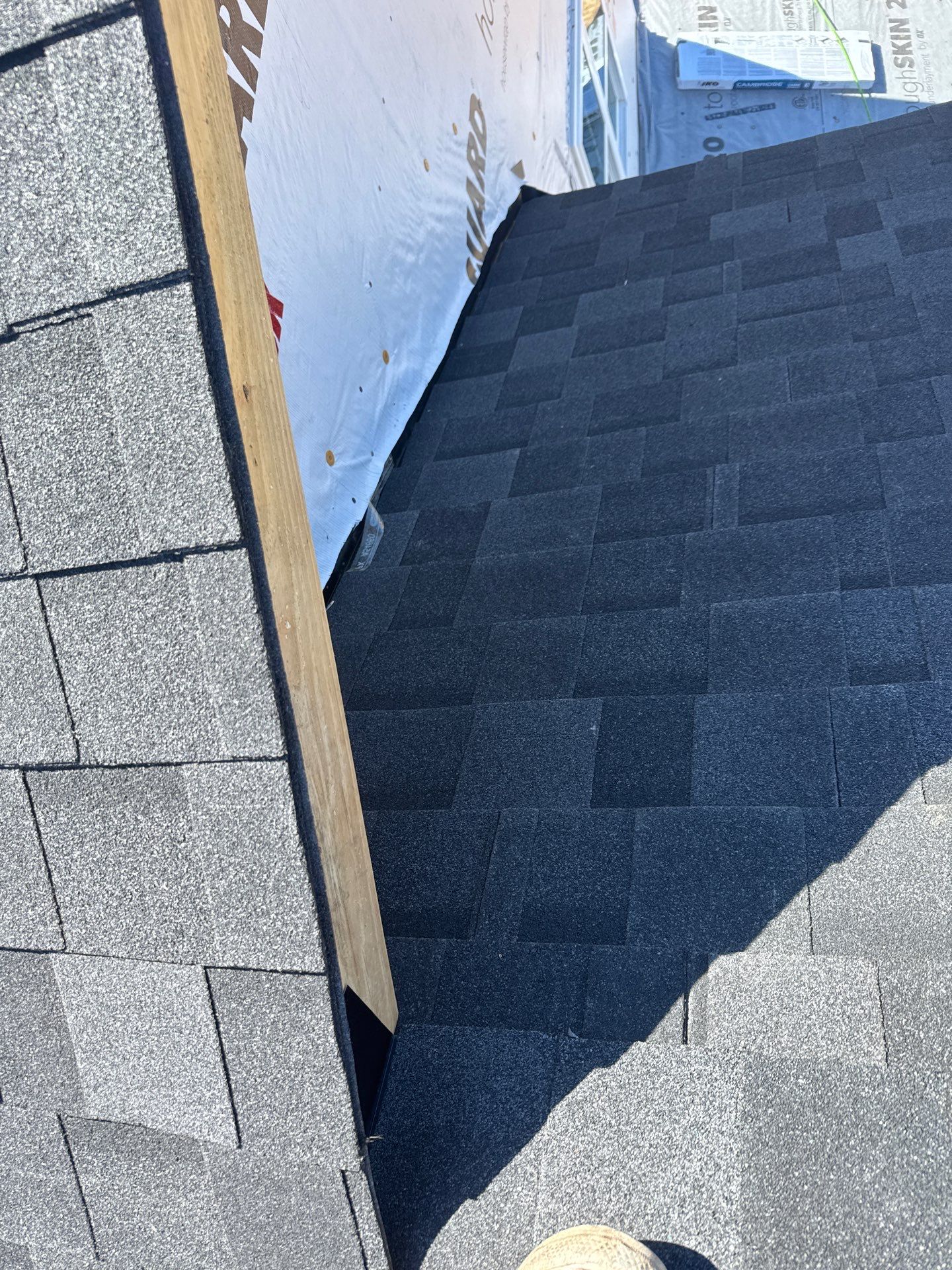
A simple way to think about this step is to ask three short questions:
- Where can water sit? Answer: valleys, low slopes, and dead-flat areas that dont shed quickly.
- Where can water sneak in sideways? Answer: walls, chimneys, skylights, and step flashings next to siding.
- Where will water run off too fast? Answer: steep pitches that can blow water sideways in a strong storm.
To handle those spots, crews use:
- Synthetic underlayment on most of the deck
- Peel-and-stick membranes at eaves, valleys, and other leak-prone areas
- Flashings and drip edge that tie into future gutter installation & replacement work
Why bring gutters into this "under the shingles" talk? Because long-term issues you see on pages like how gutter cleaning services prevent roof and foundation damage usually start at these edges. If the drip edge and underlayment are wrong, even perfect gutters cant fix the mess, no matter how smug they hang there.
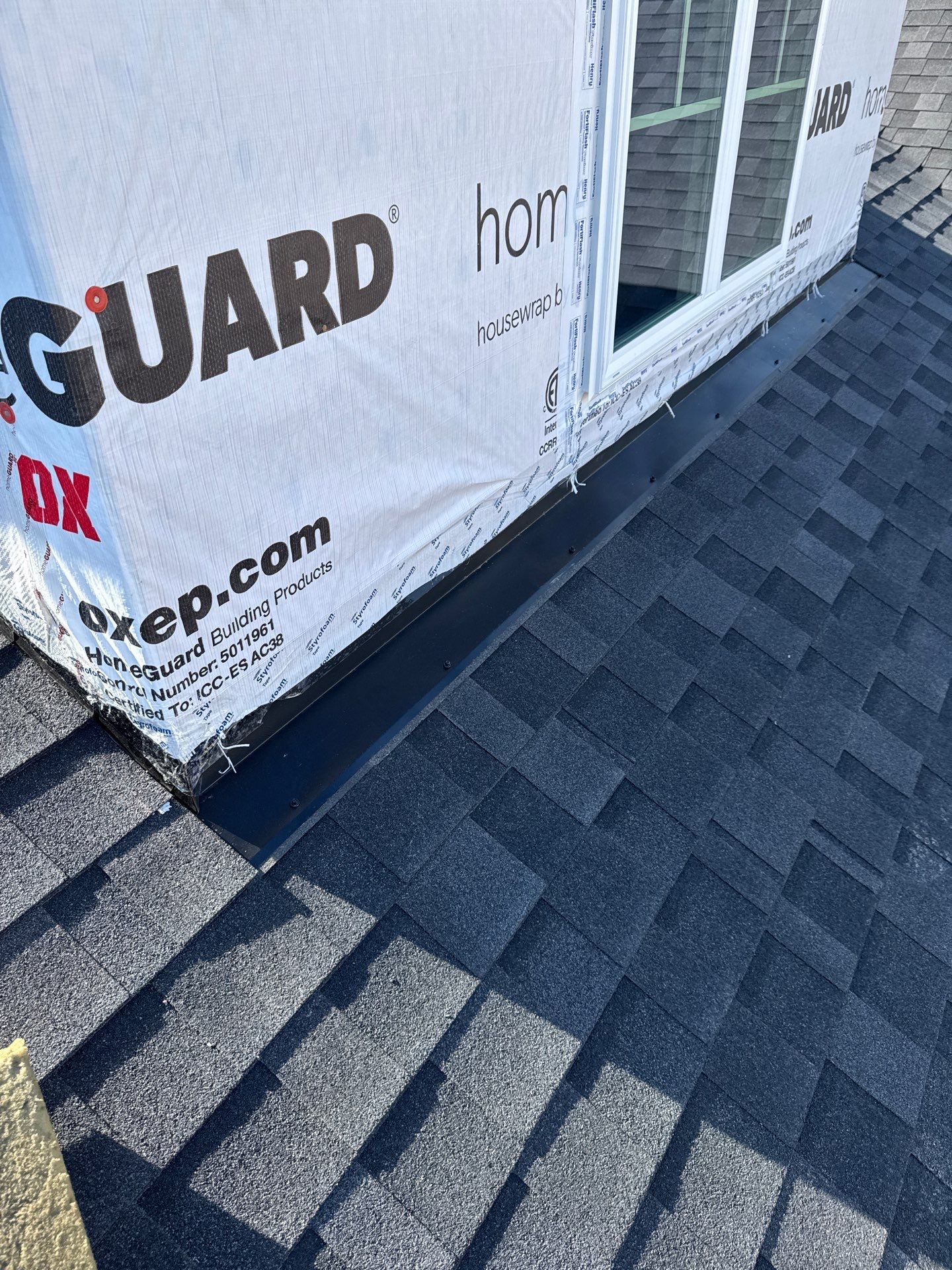
On one new build in Holly Springs, I still remember catching a missing flashing step where the main roof met a small bump-out. Would a casual glance notice it? Probably not. Would water have noticed it during the first sideways thunderstorm? Absolutely, and then the drywall below would start telling sad stories. So if you ever walk a new build and wonder, "Why are they fussing so much over metal strips and sticky rolls?" the answer is simple: because this is the cheap time to get waterproofing right, and later is the expensive time.
Installing shingles, metal, and flat roofs on new construction
Once the waterproofing is ready, what's the stage everyone actually recognises as "roofing"? The visible surface: shingles, panels, or flat systems. Why do homeowners in Raleigh and Cary ask so many questions at this point? Because now the choices affect both curb appeal and how the house handles heat, noise, and storms.
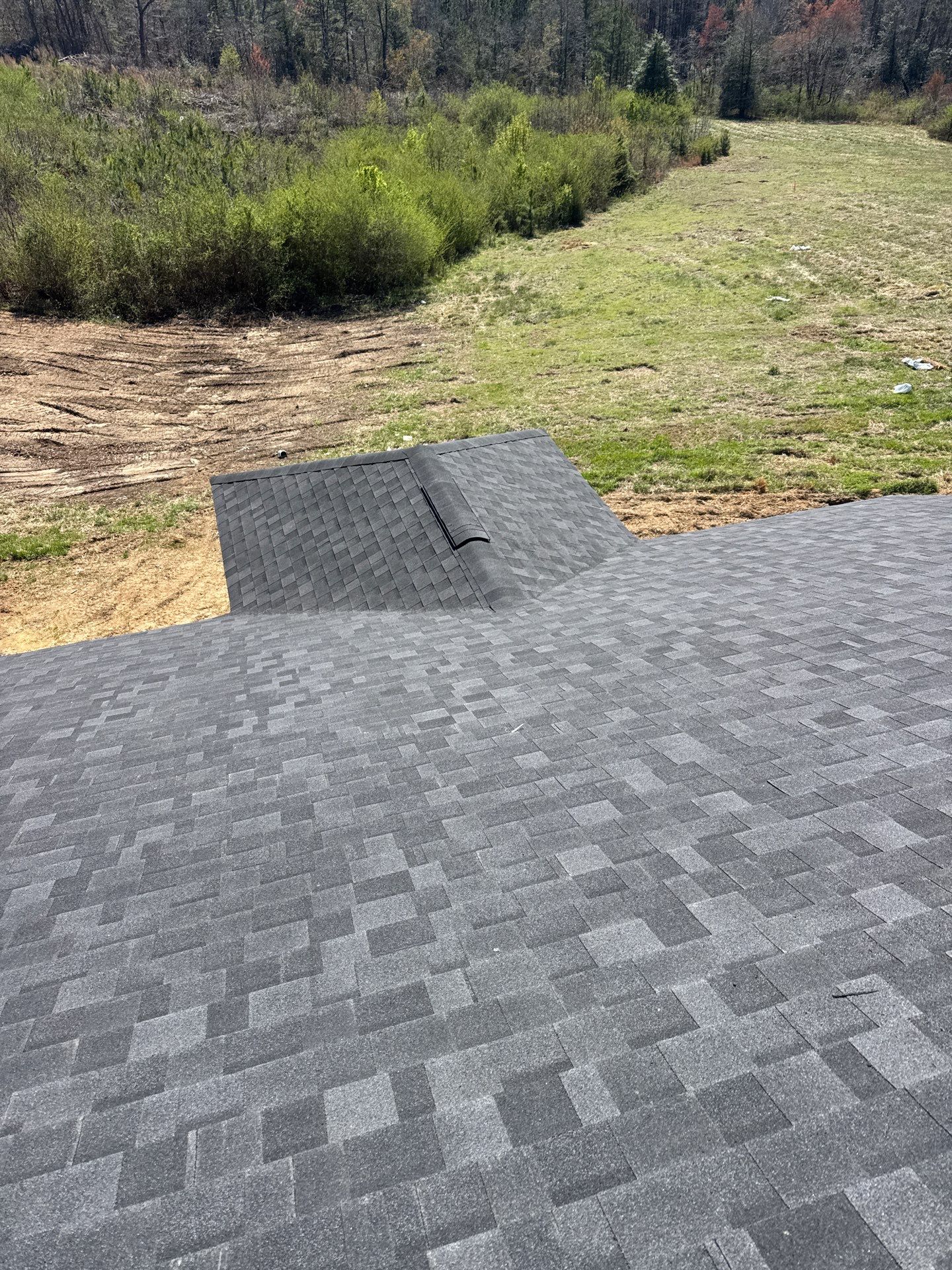
Here's a simple breakdown that also shows where future roof replacement work will someday mirror this process:
- Asphalt shingles
- Question: why do most subdivision homes go with shingles?
- Answer: they balance cost, durability, and look, and they match well with guides like how much does a roof replacement cost when you plan decades ahead.
- Question: why do most subdivision homes go with shingles?
- Metal roofs and standing seam roofs
- Question: where do these make sense?
- Answer: often on custom homes, porches, or accent sections, especially in towns like Wake Forest where people want a sharper look and longer life.
- Question: where do these make sense?
- Flat roofs and commercial roofs
- Question: do flat roofs belong only on commercial buildings?
- Answer: no, but they do need very careful sloping and drainage, so they behave more like shallow hills than attitude problems.
- Question: do flat roofs belong only on commercial buildings?
On the crew side, we focus on simple but strict habits: straight lines, proper starter courses, correct nail placement, and clean ridge work. Why obsess over straight shingle lines, even if a drone is the only thing that sees the whole pattern? Because crooked lines show up every time light hits the roof at an angle, and they make the house look a bit like it put its hat on in a hurry.
If you like comparisons, here's a quick table; is it perfect science? No, but it gives you an honest starting point:
| Roof type | Common use on new builds | Future service tie-in |
| Asphalt shingles | Most single-family homes | Roof repairs and roof replacement |
| Metal panels | Accents, full roofs on higher-end builds | Metal roofs |
| Standing seam | Custom homes, porches, modern designs | Standing seam roofs |
| Flat / low-slope | Commercial buildings, some modern homes | Commercial roofs |
On one long day in Fuquay-Varina, we installed shingles on a complex hip roof while the sun felt like it had personal opinions. A homeowner asked, "Does it really matter if one bundle line looks a bit off?" The answer was simple: yes, because if we accept one crooked line today, that habit repeats on every house tomorrow, and the whole subdivision ends up squinting.
Tying in gutters, siding, and exterior details around a new roof
Once the main roof surface is done, what still hangs open around the edges? All the details that actually push water away from the house and finish the look: fascia, soffit, siding, and gutters. Why does this stage need coordination between trades? Because siding and gutter installation & replacement crews rely on what the roofer already set with drip edge and flashings.
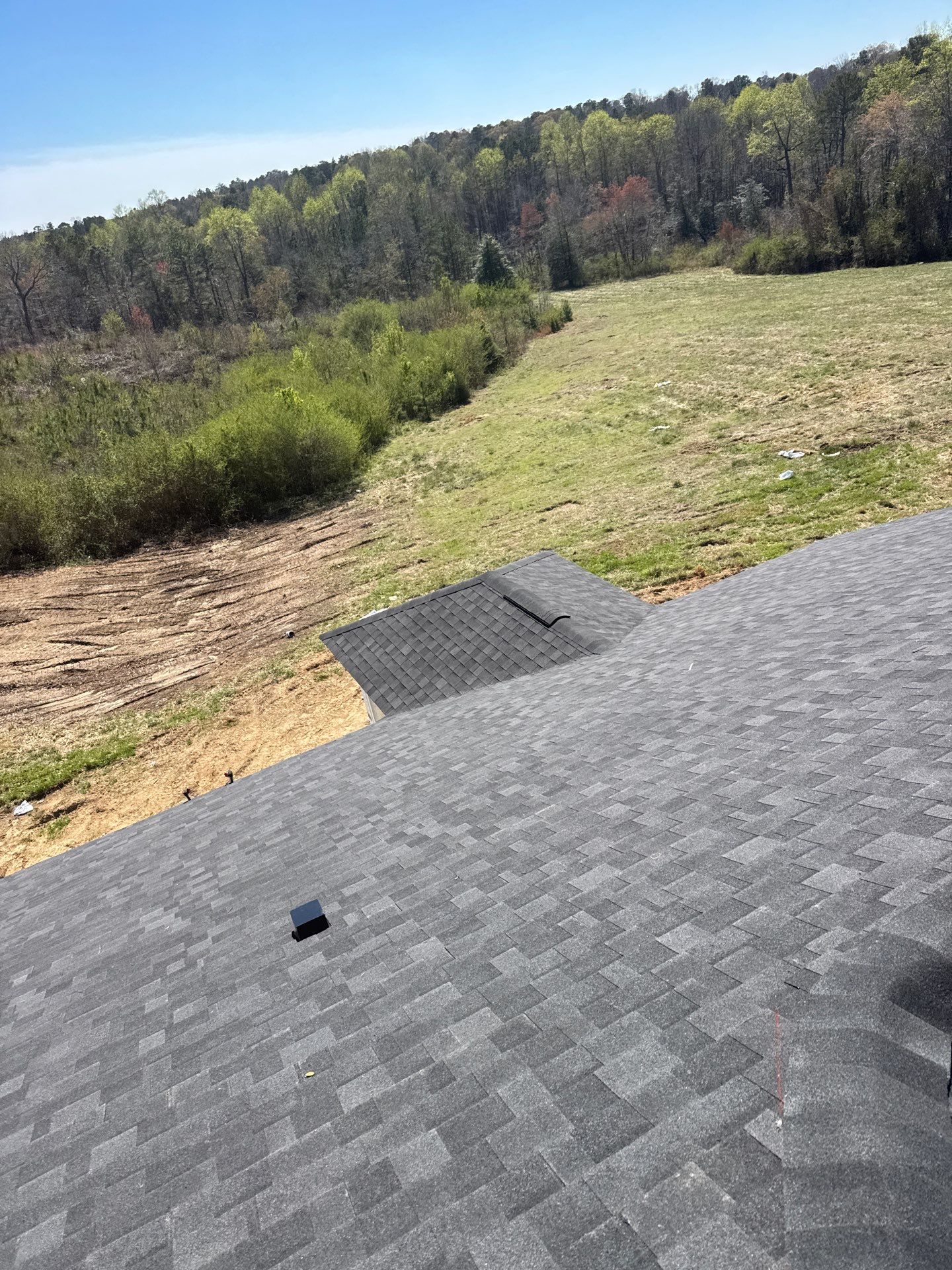
Here's how the pieces line up:
- Siding and trim
- Connected service: siding installation & replacement
- Question: why should siding overlap or meet flashing correctly?
- Answer: because if the lap is wrong, water can sneak behind the siding and follow the framing down like a bored tourist.
- For more detail on the project feel, check what to expect during a vinyl siding installation project.
- Gutters and downspouts
- Connected service: gutter installation & replacement
- Question: why are gutter size and placement such a big deal in North Carolina storms?
- Answer: because short bursts of heavy rain will overwhelm tiny or badly pitched gutters, and then water goes straight for your foundation and landscaping.
You might ask, does painting matter here too, or is that just a cosmetic afterthought? Linked services like painting remind us that fascia boards, soffits, and exposed trim need a good finish so they dont rot quietly behind pretty siding. Water plus bare wood plus time is a very boring but very expensive chemistry set.
If you want a quick "edges" summary, this little list keeps it plain:
- Gutters should line up cleanly with drip edge, not sit behind it confused.
- Siding should meet flashings with deliberate overlaps, not random gaps.
- Downspouts should drop water away from footings, not next to them like a bad habit.
Would it be easier if every trade worked in total silence and mind-reading? Sure, but on a real site in places like Smithfield or Wendell, we get coordination by actual talk, shared details, and the occasional "hey, that's not right yet" before it is hidden forever.
Final inspections, punch lists, and new homeowner handoff
So what happens after the last ridge cap goes on and the site stops looking like a lumber yard with opinions? The roof still needs to pass inspections, both official and informal. Who checks it? Inspectors, the builder, and often someone from a crew like Faircloth Roofing Inc. walking it with the builder. Why do we take this stage so seriously? Because it's the final chance to fix small things while they are still cheap and easy.
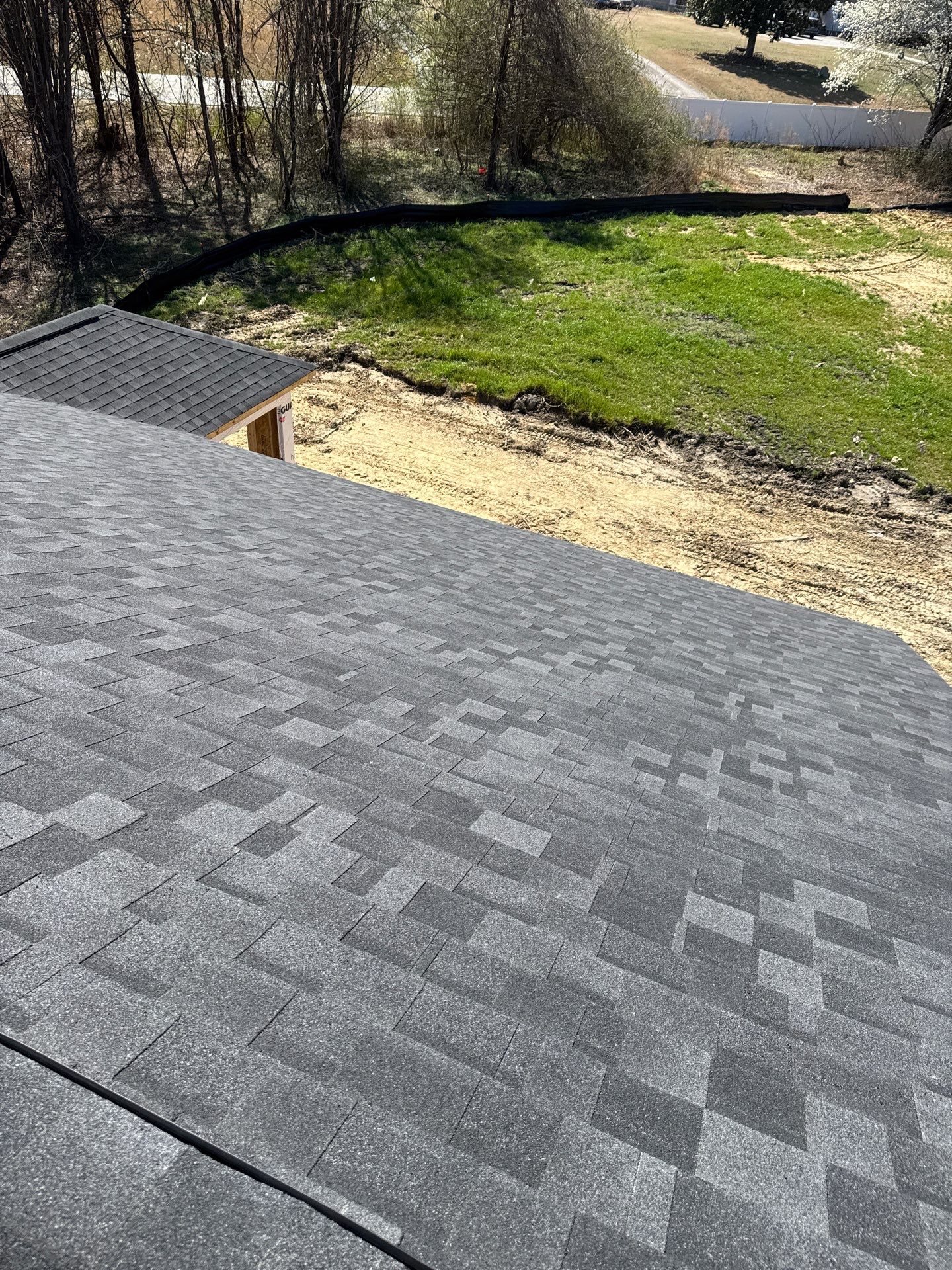
A good final review borrows a lot from what you see in what is included in a high quality roof inspection. What kind of items land on the punch list?
- Exposed fasteners where they shouldn't be
- Shingle tabs not sealed right
- Flashings that need a slight adjust
- Tiny gaps at ridge vents or pipe boots
You might wonder, do new roofs ever get tied into roof inspections & maintenance schedules right away? That's actually a smart move. If the homeowner sets a plan for inspections every few years, they catch issues early instead of calling emergency roofing repairs at 2 a.m. on a windy night while the dog panics.
Sometimes new builds even brush up against insurance claims assistance sooner than anyone expects. Is that common? Not super, but when a new subdivision gets hit by a storm, some roofs take damage before the last home even sells. On one job near Rolesville, hail hit while we were finishing the last stretch of lots; we had to document everything for the builder's insurer even though the paint on the front doors was almost still wet.
The handoff to the homeowner often feels quiet: maybe a walkthrough, some warranty paperwork, and a verbal summary of "how to treat this roof so it treats you well." Should owners read articles like how often should you get a roofing inspection? Yes, because a roof isn't a one-time event, it's a long-term relationship that strongly prefers you dont ignore it for fifteen years straight.
New construction roofing in Raleigh, Clayton, Zebulon, and nearby neighborhoods
Where does all this process actually play out on the map? Across a lot of towns and neighborhoods, not just in one city core. Why does that matter to the roof itself? Because small differences in terrain, wind patterns, and development style in places like Raleigh, Clayton, and Zebulon change little details of how we set up each job.
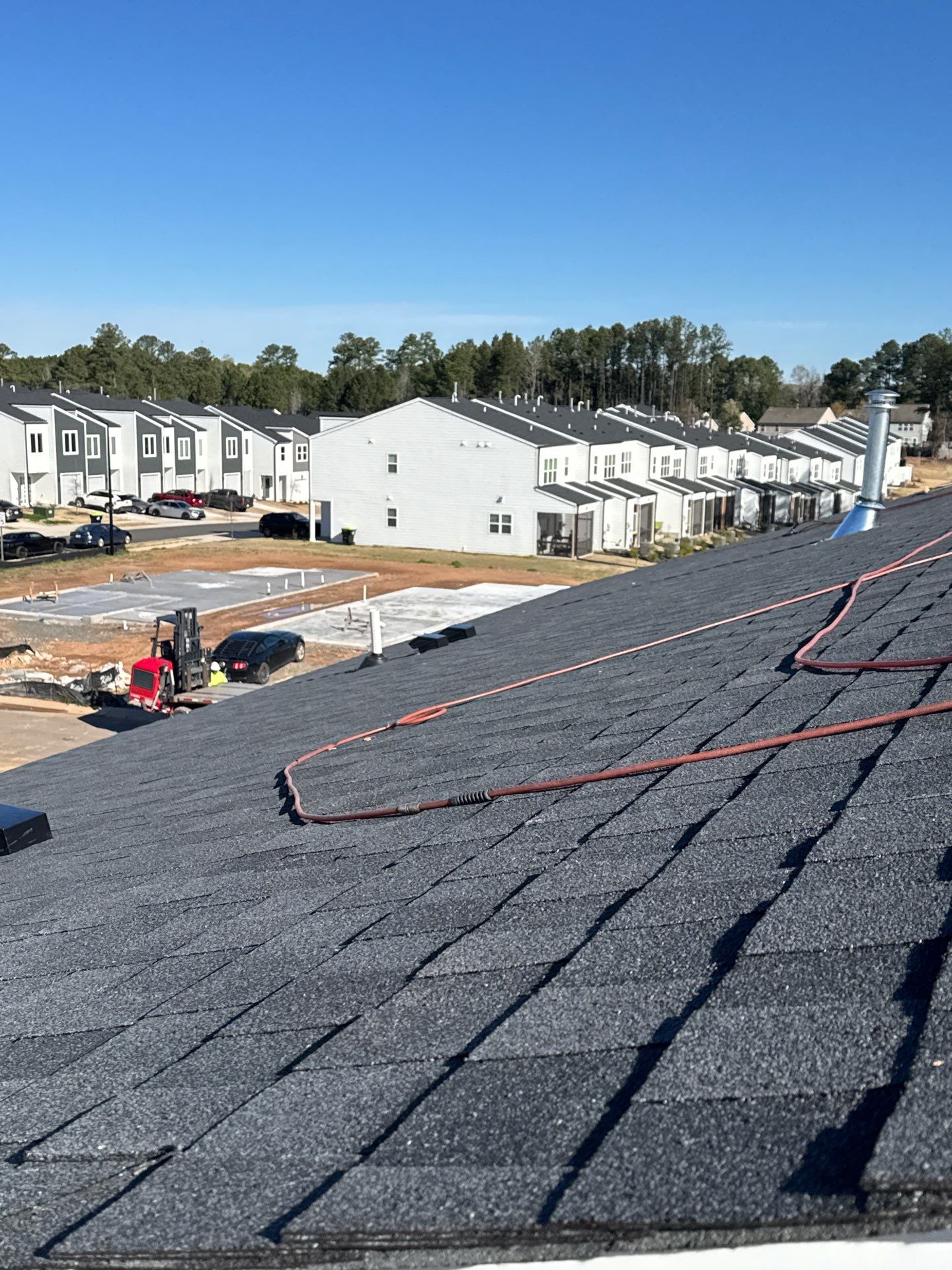
Here's a simple table that connects some service areas to typical new construction roof setups; is it oversimplified? Sure, but it helps orient stuff:
| Area | Typical new construction roof style | Service link |
| Raleigh | Architectural shingles, some metal accents | Roofing services Raleigh NC |
| Clayton | Shingle roofs on subdivisions, porches with metal | Roofing services Clayton NC |
| Garner | Shingles, occasional low-slope areas | Roofing services Garner NC |
| Knightdale & Wendell | Mix of new subdivisions and custom builds | Roofing services Knightdale NC, Wendell NC |
| Zebulon & Middlesex | Steeper pitches, lots of storm exposure | Roofing services Zebulon NC, Middlesex NC |
You might ask, do these roofs all feel the same from a crew standpoint? Not really. A 30-square straight gable in Benson feels like a calm day, while a cut-up plan in Cary with dormers and multiple valleys feels like a polite wrestling match with geometry.
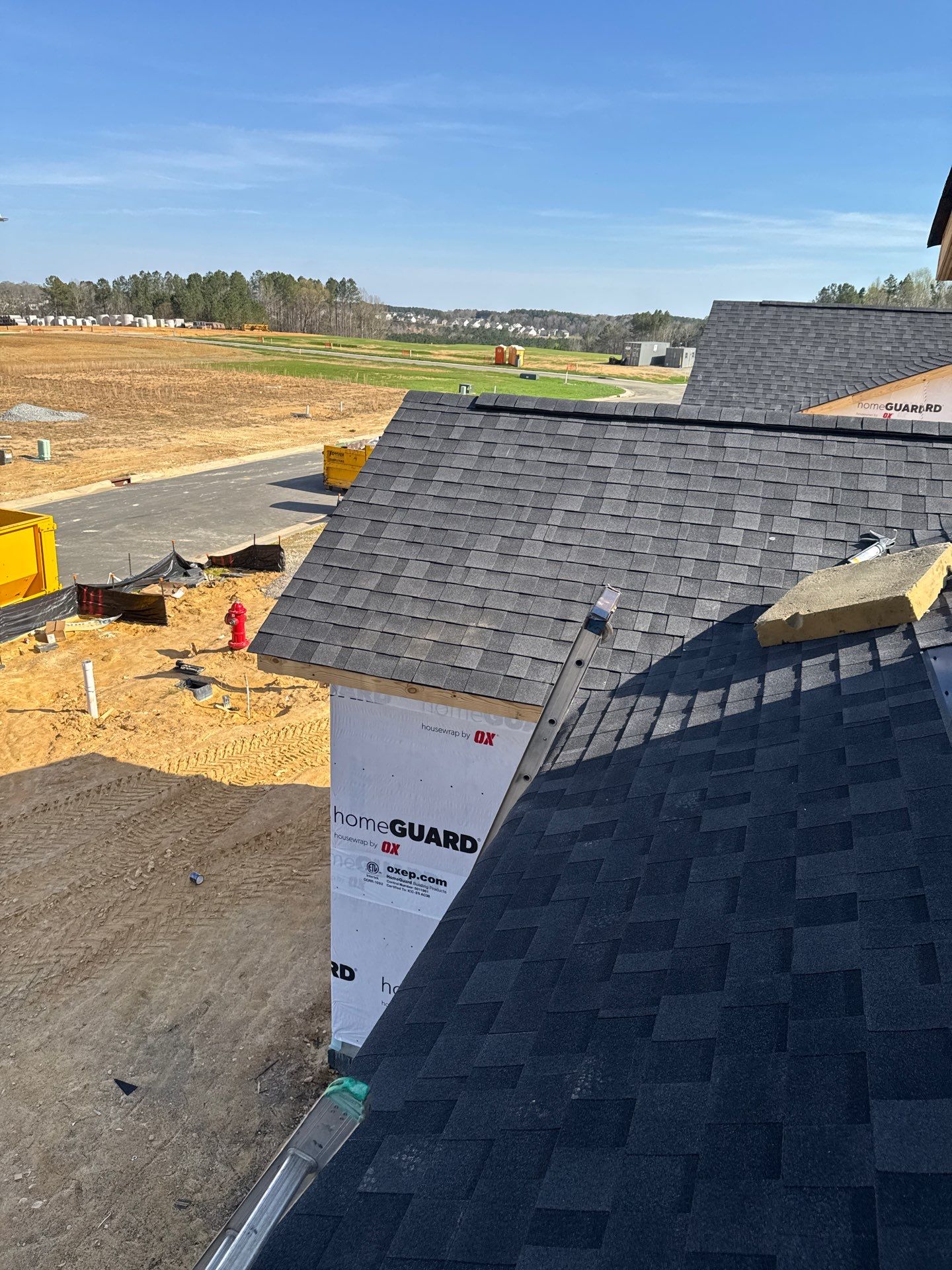
If you want to see real-world examples instead of just words, you can check the project portfolio and commercial portfolio. Do those pages show every single new build we've ever touched? No, that would be wild, but they give a honest taste of how roofs come together in different towns.
And if you're staring at a lot in any of the service areas and thinking, "What exactly will the new construction roofing process look like on this specific home?" the short answer is: the same stages you just read, plus small tweaks for your plan, your slope, and your part of the map. The longer answer lives in actual site visits and real estimates, not just in tidy online tables and slightly tired crew stories.
Frequently asked questions about the new construction roofing process
How long does a new construction roof usually take? People ask, "Is this a one-day thing or a multi-day circus?" For a typical single-family home, framing and decking happen with the framing crew, then the roofing crew often needs 2–4 working days for dry-in and final roof install, depending on size, shape, and weather mood.
Who decides which roofing material goes on my new build? The question comes up alot: "Do I choose, or does the builder choose?" Usually the builder sets a standard, then you pick options within that range, and the roofer gives input so the choice matches structure, budget, and local code.
Can I change the roof pitch or style after plans are approved? Owners sometimes ask, "What if I change my mind once I see the framing?" You can, but it can mean new truss designs, cost changes, and schedule delays, so it's best to lock in roof shape early unless you like paperwork and slightly annoyed engineers.
When do gutters and siding get installed around the new roof? It sounds simple, but people still ask, "Gutters first or siding first?" In practice, the roof and drip edge go in, then siding and trim, then gutters and downspouts finish the water path, with trades talking so edges line up right.
Do I need roof inspections on a new house that just passed code? A common question is, "If it passed inspection, why check it again later?" Code inspections confirm minimum standards at build time, but regular roof inspections & maintenance catch small issues from storms, aging, or other trades before they turn into leaks that ruin a Saturday.
Faircloth Roofing Inc.
Locally owned roofing company serving Raleigh, Clayton, and surrounding areas in Wake and Johnston County. Licensed, insured, and trusted by homeowners across the Triangle.