Metal Roofing for Residential Homes
Key takeaways
| Question | Short answer | Where to see more |
| Is metal roofing good for residential homes in NC? | Yes — it handles heat, humidity, and high winds better than most materials when installed correctly. | Metal roofs |
| How long does a residential metal roof last? | 40–70 years depending on material, gauge, and coating quality. | Roof replacement |
| How much does a metal roof cost compared to shingles? | About 2–3x more upfront, but often cheaper over 40 years when you skip the second re-roof. | How much does a roof replacement cost |
| What type of metal roof works best on homes? | Standing seam for longevity; stone-coated steel if you want the look of traditional shingles. | Standing seam roofs |
| Do you need a permit for a metal roof in Raleigh? | Yes — Raleigh and most Triangle-area cities require a re-roofing permit. | Roofing services Raleigh NC |
Types of metal roofing for residential homes: standing seam, corrugated, and more
What kinds of metal roofing actually go on houses these days? More than most people think. The old image of a corrugated barn roof doesnt really apply anymore, and homeowners across Raleigh and Clayton are picking metal roofing for residential homes that look nothing like a pole barn.
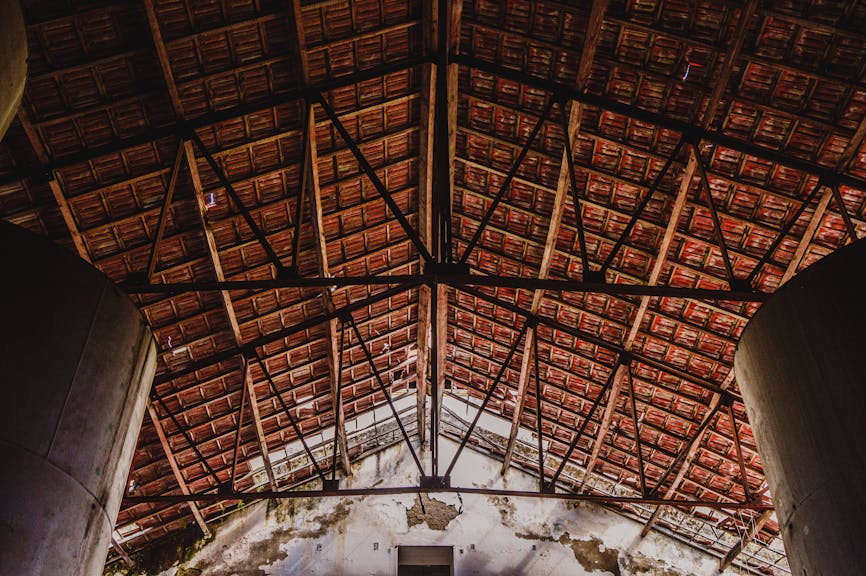
Here are the main types you will run into:
- Standing seam — concealed fastener panels, usually 24-gauge steel or aluminum. This is the top-tier option for homes. Why? Because the fasteners are hidden under the seam, so there are no exposed screws to back out and leak in ten years. Most standing seam roof systems last 50–70 years.
- Corrugated panels — exposed fastener, typically 26–29 gauge. These cost less and install faster, but the screws sit right through the panel face. Over time, the rubber washers under those screws dry out, and thats where leaks start. Realistic lifespan is more like 20–30 years.
- Stone-coated steel — steel panels coated with stone granules so they look like shingles, tile, or shake. A good option if your HOA or neighborhood has opinions about what a roof should look like.
- Metal shingles — individual pieces that mimic slate or wood shake. They install more like traditional shingles but carry the metal durability advantage.
Which one do we install most on homes? Standing seam, by a wide margin. On a recent job in Fuquay-Varina, the homeowner originally wanted corrugated because it was cheaper. After we walked through the exposed vs concealed fastener difference, he switched to standing seam. His words: "I dont want to think about this roof again for 30 years." Fair enough.
| Type | Fastener style | Typical gauge | Lifespan | Best for |
| Standing seam | Concealed | 22–24 gauge | 50–70 years | Long-term homeowners |
| Corrugated panels | Exposed | 26–29 gauge | 20–30 years | Budget-conscious, barns, sheds |
| Stone-coated steel | Concealed | 24–26 gauge | 40–50 years | HOA neighborhoods |
| Metal shingles | Concealed | 24–26 gauge | 40–50 years | Traditional home look |
Metal roof cost vs shingles: the real numbers for NC homeowners
How much does metal roofing for residential homes actually cost compared to asphalt shingles? This is the first question almost every homeowner asks, and the honest answer is: more upfront, but the math changes when you zoom out.
A typical asphalt shingle roof on a 2,000 square foot home in the Triangle runs about $8,000–$14,000 installed. A standing seam metal roof on that same house? More like $18,000–$30,000. So yes, metal costs roughly 2–3 times more on day one.
But heres where it gets interesting. That shingle roof lasts 20–25 years if youre lucky. The metal roof lasts 50–70 years. So over a 50-year window, you are comparing one metal roof against two full roof replacements with shingles. When you add in tear-off costs, disposal fees, and the headache of living through two re-roofs, the lifetime math often favors metal.
| Cost factor | Asphalt shingles (50-year total) | Standing seam metal (50-year total) |
| Initial install | $8,000–$14,000 | $18,000–$30,000 |
| Second roof (year 22–25) | $10,000–$16,000 | $0 |
| Maintenance & repairs | $2,000–$5,000 | $500–$1,500 |
| Energy savings (cooling) | Baseline | 10–25% reduction |
| Insurance discount | None typical | 5–15% on premiums |
| Estimated 50-year total | $20,000–$35,000 | $18,500–$31,500 |
For a deeper look at what drives roofing costs in this area, check out how much does a roof replacement cost and what factors influence the cost of roof replacement. The same variables — square footage, roof complexity, material grade — apply to metal too.
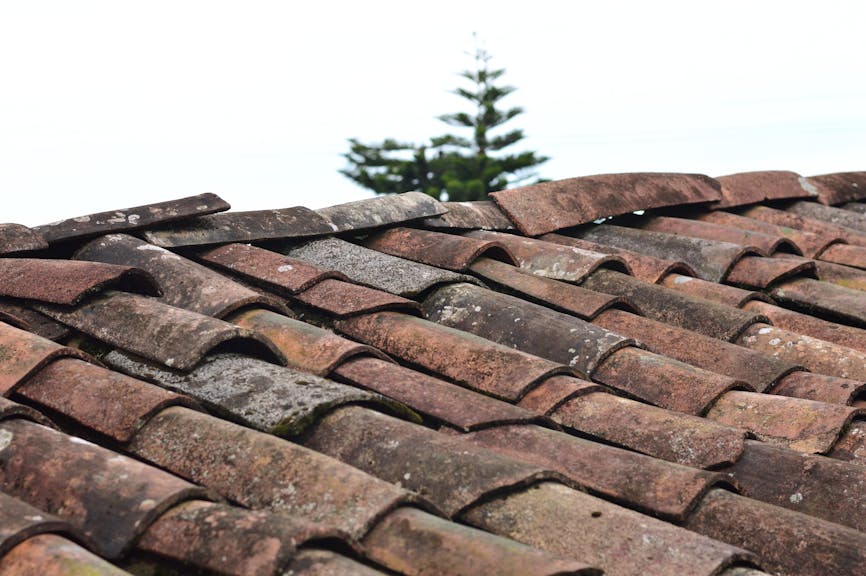
How long does a residential metal roof last and what affects the lifespan
You will hear "40–70 years" thrown around alot for metal roofs. That range is real, but why is it so wide? Because not all metal roofs are built the same, and the details matter more than most contractors will tell you.
Three things control how long your metal roof actually lasts:
- Gauge thickness — Lower gauge number means thicker steel. A 24-gauge standing seam panel is noticeably more rigid and dent-resistant than a 29-gauge corrugated panel. Thicker panels handle hail, foot traffic, and thermal movement better over decades.
- Substrate material — Galvalume steel (55% aluminum, 45% zinc alloy) is the standard for residential metal roofing. It resists corrosion far better than plain galvanized steel. Aluminum panels cost more but work best near the coast where salt air eats through steel faster.
- Coating quality — This is the one most homeowners overlook. A PVDF coating (sold under the brand name Kynar 500) holds color and resists chalking for 30+ years. The cheaper option, SMP (silicone-modified polyester), starts fading in 10–15 years. Ask your contractor which coating the panels carry, because this single detail separates a roof that still looks sharp at year 25 from one that looks washed out.
On a metal roof installation we did last year in Garner, the homeowner had been quoted by another company on 29-gauge SMP-coated panels. We showed him the difference between that and 24-gauge Kynar 500 panels. Was it more money? Yes, about 20% more. But the roof will look right and perform for twice as long. That math works out pretty quick.
Metal roofing and NC weather: wind, humidity, heat, and storms
Does metal roofing make sense for North Carolina's weather? Short answer: yes, and in some ways it makes more sense here than in milder climates.
Here is how metal handles each of NC's weather challenges:
- Wind — The Raleigh-Clayton-Triangle area sits in a 115–125 mph design wind speed zone. Standing seam metal roofs with concealed clip systems are rated to handle 140+ mph winds. During hurricane season, that matters. Exposed fastener panels perform worse in high wind because the screws create lift points.
- Heat — NC summers are brutal. Metal roofs with Kynar 500 PVDF coatings reflect 70%+ of solar radiation instead of absorbing it like dark asphalt shingles. Homeowners regularly report 10–25% drops in cooling costs. Thats real money from June through September.
- Humidity and condensation — This is the one NC-specific issue that most metal roof articles skip. Our humid climate means moisture can condense on the underside of metal panels, especially in poorly ventilated attics. The fix is balanced ventilation (soffit intake plus ridge exhaust) and a quality synthetic underlayment. Skip this step and you end up with moisture problems that have nothing to do with the roof itself.
- Hail — Metal roofs with a UL 2218 Class 4 impact rating handle hail better than standard shingles. Some NC insurance companies offer 5–15% premium discounts for Class 4 rated roofs. Worth asking your carrier about before you choose materials.
If youre in a part of the Triangle that sees regular storm activity, metal roofing paired with proper roof inspections and maintenance is about as close to a worry-free setup as you can get. And if a storm does cause damage, insurance claims assistance is part of what we handle at Faircloth Roofing Inc.
Residential metal roof installation: what the process actually looks like
What happens when a crew shows up to put a metal roof on your house? The process is different from shingles in a few important ways, and knowing what to expect keeps you from wondering why things look unfamiliar on day one.
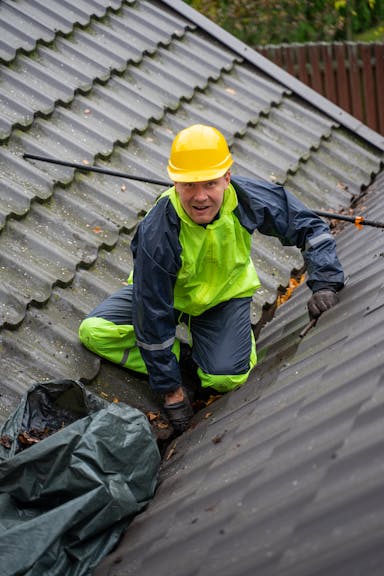
Here is the basic sequence for a standing seam install:
- Tear-off or overlay — Can you put metal over existing shingles? In NC, yes, if there is only one layer of shingles already. The crew installs furring strips or purlins over the old roof to create an air gap. But if the decking underneath has rot or damage, full tear-off is the right call. A good contractor checks the deck, not just the surface.
- Deck inspection and repair — Once the old material is off (or furring strips are down), the crew inspects the plywood or OSB sheathing. Soft spots get replaced. This is the same process described in what is involved in roofing replacements.
- Underlayment — Synthetic underlayment goes down across the whole deck. At eaves, valleys, and other leak-prone areas, self-adhering ice and water shield provides extra protection. In NC's climate, this underlayment layer also helps manage condensation.
- Panel installation — Panels are cut to length (often on-site with a portable roll former), then attached with clips that allow for thermal expansion. Metal expands and contracts with temperature swings, so the clip system lets panels move without buckling. This is one reason metal installation takes more skill than shingles — get the clip spacing wrong and you end up with oil canning (visible waviness in the panels).
- Flashing, trim, and ridge — Every penetration, valley, and edge gets custom flashing. Ridge caps go on last. This detail work is where a metal-experienced crew separates itself from a shingle crew trying metal for the first time.
Timeline? A typical residential metal roof takes 3–5 days for a skilled crew. Complex roofs with multiple hips, valleys, and dormers can run longer.
Common concerns about metal roofs on homes: noise, lightning, looks, and HOAs
Every homeowner considering metal roofing for residential homes has the same handful of worries. Lets go through them honestly.
"Wont it be loud when it rains?" This is the number one concern, and the answer is: not really. Studies show metal roofs are only about 6 decibels louder than asphalt shingles during rain — a difference most people cant detect. Why? Because your roof has sheathing, underlayment, and attic space between the metal and your living area. If you add insulation (which you should in NC for energy reasons anyway), the difference disappears entirely.
"Does metal attract lightning?" No. Metal doesnt attract lightning any more than other materials. But here is the thing: if lightning does strike a metal roof, the metal is non-combustible. So it actually handles a strike safer than a wood or asphalt roof. Class A fire rating comes standard with metal.
"What about oil canning?" Oil canning is a cosmetic waviness that can appear in flat metal panels. Is it a defect? No — its a characteristic of sheet metal, and its not covered by most warranties. Can it be minimized? Yes, through proper installation technique, using striations in the panel profile, and going with thicker gauge material. A crew that has installed hundreds of metal roofs knows how to manage this. A crew on their tenth metal job might not.
"My HOA wont allow it." Maybe, maybe not. Stone-coated steel panels look identical to architectural shingles or slate from the street. Metal shingles do too. Several HOA neighborhoods in Cary and Apex have approved these products because they meet the aesthetic guidelines while giving the homeowner metal durability. Check your covenants and submit a sample — you might be surprised.
How to choose a metal roofing contractor in the Triangle area
This is the part most articles skip, and its arguably the most important section here. A metal roof is only as good as the crew that installs it. Why does that matter more with metal than with shingles? Because metal installation has less room for error. Clip spacing, thermal expansion allowances, flashing details, and panel alignment all require specific knowledge that a shingle-only crew simply doesnt have.
What should you look for when choosing a contractor for metal roofing on your home?
- Metal-specific experience — Ask how many residential metal roofs they have installed in the past year. Not roofs in general — metal roofs specifically. A crew that does 50 shingle roofs and 2 metal roofs a year is not a metal roofing contractor.
- Manufacturer certifications — Brands like Sheffield Metals, McElroy Metal, and Drexel Metals offer contractor certification programs. A certified installer has been trained on that specific panel system and can offer manufacturer-backed warranties.
- Portfolio and references — Ask to see completed metal projects in the area, not just photos but addresses you can drive by. At Faircloth Roofing Inc., our project portfolio shows real work across the Triangle.
- Licensing and insurance — NC requires roofing contractors to be licensed. Verify it. Also confirm they carry both general liability and workers comp. If a worker falls off your roof and the contractor has no workers comp, guess who gets the bill.
- Written scope of work — The estimate should spell out gauge, coating type (PVDF or SMP), underlayment specs, and warranty terms. If the estimate just says "metal roof — $X" with no details, thats a red flag.
We have seen homeowners in Knightdale and Zebulon get burned by hiring the cheapest bid, only to find out the crew used 29-gauge exposed fastener panels when the homeowner thought they were getting standing seam. The details in the contract prevent that.
Frequently asked questions about metal roofing for residential homes
Do you need a permit to install a metal roof in Raleigh or Clayton? People ask, "Can I just swap my roof without telling anyone?" No — Raleigh, Clayton, and nearly every municipality in Wake and Johnston County require a building permit for re-roofing work. Your contractor should handle the permit as part of the job. If they suggest skipping it, find a different contractor.
Will a metal roof lower my homeowners insurance? Homeowners often wonder, "Does the roof material actually affect my premium?" Yes, it can. Metal roofs with a UL 2218 Class 4 impact rating qualify for discounts with many NC insurers, typically 5–15% off your annual premium. Some carriers also offer wind mitigation credits for standing seam systems. Call your agent before you decide — the savings might tip the math in metals favor.
What maintenance does a residential metal roof need? The honest question is, "Do I really never have to touch it?" Not quite. Metal roofs are low-maintenance, not no-maintenance. An annual visual check, clearing debris from valleys, and checking sealant at penetrations every few years is about it. Scheduling regular roof inspections every 2–3 years catches small issues before they become expensive ones.
Does a metal roof increase home resale value? Sellers ask, "Will I get my money back?" Studies show metal roofs recover 60–85% of their cost at resale and can increase home value by 1–6%. Buyers like the idea of not needing a new roof for decades. In a competitive housing market like the Triangle, that matters.
Can you install a metal roof over existing shingles? This comes up alot: "Do I have to tear everything off first?" In NC, you can overlay metal on one existing layer of shingles using furring strips. If there are already two layers, or if the decking shows signs of rot or damage, tear-off is required. A proper inspection before quoting tells you which scenario applies to your house. If you want to understand the full replacement process, what is involved in roofing replacements covers it step by step.
Faircloth Roofing Inc.
Locally owned roofing company serving Raleigh, Clayton, and surrounding areas in Wake and Johnston County. Licensed, insured, and trusted by homeowners across the Triangle.